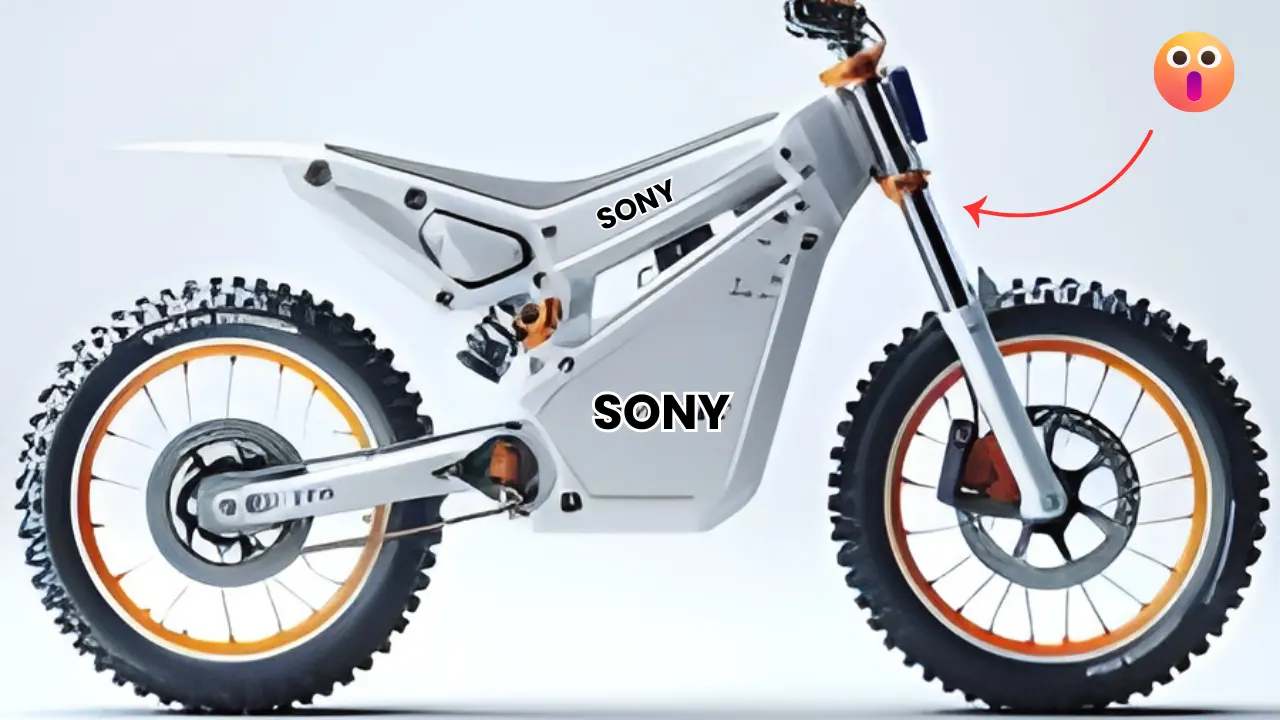
Sony Unveils 180km Range E-Cycle: Globally recognized for its excellence in consumer electronics, Sony has now stepped confidently into the sustainable mobility space with the introduction of its Electric Cycle 2026. At a time when rising fuel costs and environmental awareness are reshaping consumer choices, Sony’s latest innovation represents a fresh and technology-driven approach to affordable urban transportation.
A Strategic Leap into Electric Mobility
With the launch of the Sony Electric Cycle 2026, the company officially marks its entry into the electric mobility sector. Sony’s longstanding reputation for precision engineering and technological innovation raises expectations that the same standards will extend to its e-mobility solutions.
Having led advancements in audio, visual and gaming technology for decades, Sony now positions itself as a serious competitor in the expanding electric two-wheeler market—particularly in countries like India, where demand for economical and eco-friendly transport options continues to grow rapidly.
Impressive Range and Performance
Although complete technical details are yet to be disclosed, early information suggests that the Sony Electric Cycle 2026 could offer an impressive riding range of up to 180 kilometers on a single charge, along with a top speed of approximately 45 km/h.
Such performance figures would place it among the highest-performing electric cycles currently available. This range makes it especially suitable for urban commuters, students and delivery professionals who require dependable daily transportation without frequent recharging interruptions.
Design Meets Innovation
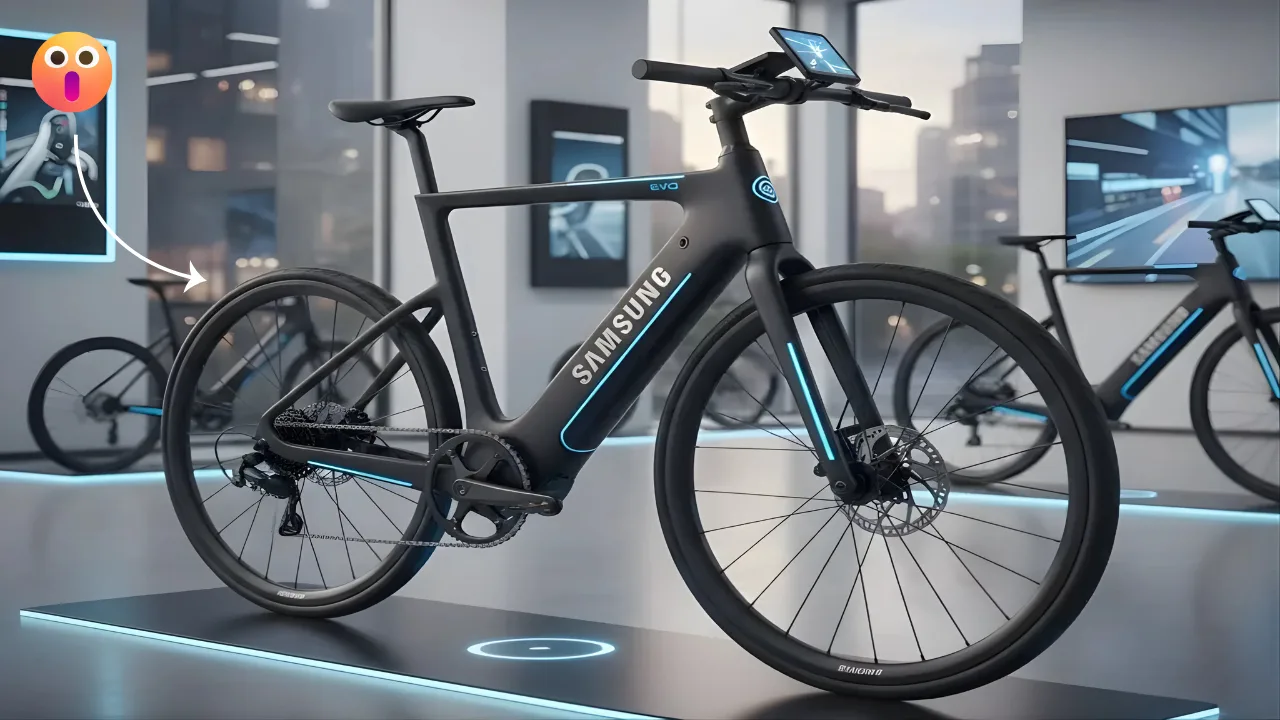
In keeping with its global brand identity, Sony is expected to introduce a sleek, minimalistic design language for its electric cycle. The 2026 model is likely to feature a lightweight frame combined with smart connectivity functions.
Integration with Sony’s broader technology ecosystem may allow riders to sync their smartphones for navigation, battery monitoring and even fitness tracking. Attention to user comfort is also anticipated, with ergonomic seating, weather-resistant construction and possibly a modular battery system designed for convenience and efficiency.
Targeting a Wide Range of Consumers
The Sony Electric Cycle 2026 is positioned not just as a technological product but as a practical mobility solution aimed at a broad consumer base. From students navigating campus roads to working professionals seeking relief from traffic congestion, and even small businesses exploring efficient delivery options, the cycle aims to serve diverse needs.
If Sony successfully maintains a highly competitive pricing strategy—especially with rumors of an introductory price around ₹999—it could significantly influence how daily commuting is perceived in India.
Sustainability at the Core
Sony’s move into electric mobility aligns with global sustainability initiatives and India’s strong push toward EV adoption. By offering a cleaner alternative to petrol-powered two-wheelers, the company contributes to reducing air pollution, lowering noise levels and easing urban congestion.

This strategic step reflects Sony’s broader corporate commitment to climate responsibility and sustainable innovation.
What to Expect in Market Roll-Out
While Sony has not yet revealed full details regarding distribution networks and service infrastructure for the Electric Cycle 2026, consumer expectations are naturally high. A brand of Sony’s stature entering the mobility sector will need to ensure dependable after-sales support, accessible charging solutions and widespread availability across regions.
The true measure of success will depend on how effectively Sony manages production scale and customer service at launch.
A Potential Disruptor in the E-Cycle Segment
Until now, the electric cycle segment has largely been dominated by startups and regional manufacturers. Sony’s entry introduces a new level of competition that could drive innovation, improve service standards and create more attractive pricing structures.
For customers, this translates into greater choice, improved product quality and the assurance that comes with a globally recognized brand.

Conclusion
The Sony Electric Cycle 2026 represents more than a product debut—it signals a transformation in personal mobility trends. Combining advanced design, impressive performance capabilities and the backing of a global technology leader, the cycle has the potential to redefine expectations within the electric commuting space.
As urban India increasingly looks toward smarter and greener transport alternatives, Sony’s timely entry could well provide the ideal solution for the evolving mobility landscape.